
Youth football development is often associated with elite coaches, structured academies and high-performance training sessions. Yet one of the most powerful influences on a young player’s development rarely happens on the pitch; it happens at home.
Behind many successful footballers is a family environment that shapes how a child experiences the game. Some grow up feeling supported and motivated, while others feel pressure and fear of making mistakes.
Research in youth sport psychology shows that parental behaviour strongly influences motivation, confidence and long-term engagement in sport. Supportive environments tend to strengthen resilience, while highly critical environments are associated with stress and dropout.
At Jolof Sports, youth football development is viewed through both a football and developmental lens, highlighting how supportive environments help young players build confidence, resilience and commitment to the game through structured youth football training.
Table of Contents
Emotional Support and the Psychology of Confidence

At first glance, the role of parents in junior football development appears simple. They drive their children to football training for kids, attend matches and support them from the sidelines. Yet when researchers examine elite youth athletes more closely, deeper psychological patterns emerge.
The environment around a young player strongly influences how they interpret success and failure. After a difficult match, some children encounter reassurance at home while others experience criticism or frustration. Over time, these responses shape how players view mistakes and development.
Research by Teques et al. (2019) highlights the importance of this emotional climate. Their findings show that parental encouragement and reinforcement are strongly associated with intrinsic motivation and self-regulation in youth sport. Young players who feel supported are more likely to remain engaged in football training and approach improvement with confidence.
The key insight is that emotional safety creates the conditions for growth. When children feel valued regardless of performance, they become more willing to take risks, attempt difficult skills and continue developing after setbacks.
Confidence rarely begins in youth football academies or elite training centres. It often begins at home, where football remains a meaningful part of childhood rather than a fragile opportunity dependent on results.
Autonomy and the Development of Internal, Intrinsic Motivation
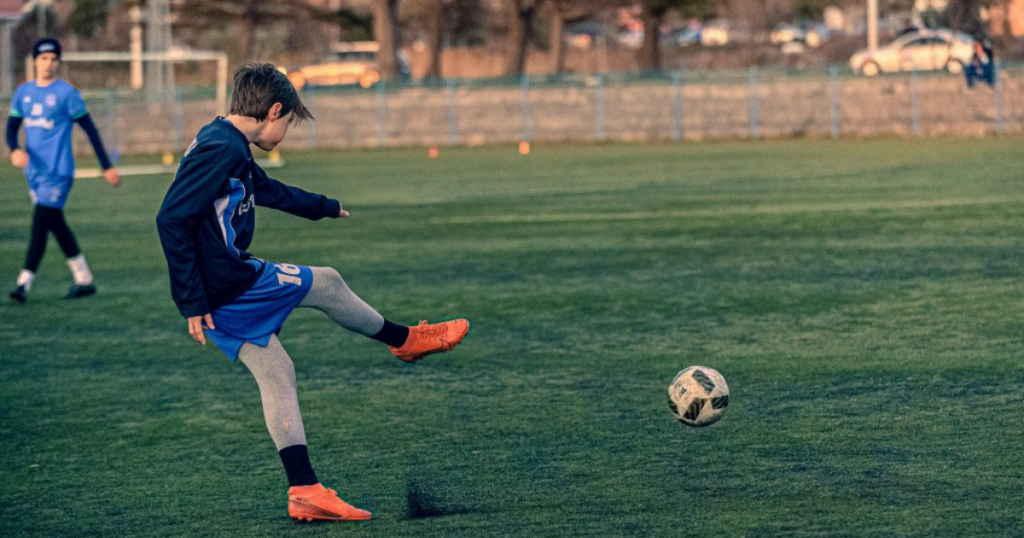
Another important question in youth football development is why some players maintain strong motivation for years while others gradually lose interest.
Football development requires persistence. Thousands of hours of football training and competition eventually become part of the journey for players progressing through youth football academies. Sustaining this commitment often depends on whether motivation is internally driven.
Psychological research consistently highlights autonomy as a key factor. Autonomy refers to the feeling that participation in an activity is self-directed rather than imposed.
Research by Gao et al. (2024) shows that autonomy-supportive parenting, positive parent–child relationships and balanced parental involvement are strongly linked to motivation and engagement in youth sport.
In football development environments, this difference appears in subtle ways. Some parents allow children to explore positions and focus on learning after matches. Others focus mainly on results and performance.
When young athletes feel ownership over their development, football becomes something they choose rather than something they feel required to pursue. Motivation driven by curiosity and enjoyment is far more likely to survive setbacks, injuries and difficult training periods.
For long-term youth football development, intrinsic motivation may be one of the most valuable psychological resources an athlete can possess.
The Pressure Trap: When High Expectations Become Harmful

Supportive parenting benefits young athletes, but junior football environments can also create pressure.
Youth football academy trials, competitive leagues and increased visibility through social media have raised the perceived stakes of youth sport. Parents naturally want to support their children’s ambitions, yet this can sometimes create unintended pressure.
Research by Appleton et al. (2010) found that parental perfectionism is closely associated with athletes developing similar perfectionistic concerns. When parents emphasise flawless performance, young players may begin to fear mistakes rather than view them as part of development.
This shift can transform football from an activity of expression into one of avoidance, avoiding errors, criticism, or disappointment.
Research by Bonavolontà et al. (2021) similarly shows that excessive parental pressure can reduce enjoyment and motivation in youth sport.
Expectations themselves are not the problem. Ambition and high standards are often necessary in elite sport. The difference lies in how those expectations are communicated.
Players who feel supported regardless of results often interpret challenges as opportunities for growth. Those who feel approval depends on performance may begin to associate football with anxiety rather than development.
How Parental Roles Evolve as Young Players Grow
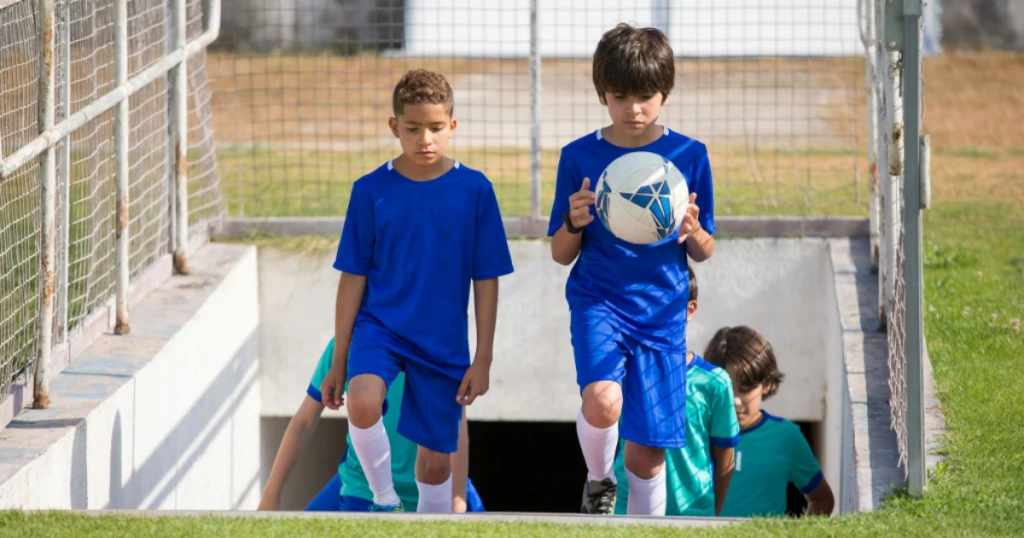
Another pattern identified in athlete development research is how parental roles change throughout a player’s journey.
In the early stages of junior football participation, parents act as organisers and facilitators. They introduce children to football, arrange football training schedules and help create opportunities for play.
Research by Baker et al. (2003) shows that these roles gradually shift as athletes develop. Early on, parents create access to sport, but later they move into a more supportive role while athletes take greater ownership of training and decisions.
This transition reflects an important psychological principle. Long-term excellence in sport requires athletes to develop responsibility for their own improvement.
For young footballers progressing through youth football academy systems, this transition can be delicate. Parents must learn when to step back while still remaining emotionally supportive.
Families who navigate this balance successfully often create environments where football development remains meaningful without becoming overwhelming.
In many cases, the most powerful parental contribution is not technical instruction but the creation of a stable emotional foundation that allows young athletes to pursue football with curiosity, resilience and confidence. While parents cannot control whether their child eventually reaches professional football, they can shape the environment in which that journey unfolds.
At Jolof Sports, the focus is on creating structured youth football training environments where players can develop their skills, confidence and long-term passion for the game.
Parents interested in exploring their child’s football potential can join our football training for kids sessions to see how young players develop within a supportive football environment. Contact us to learn more about upcoming sessions.
FAQs
1. Do elite footballers usually have highly involved parents?
Many elite athletes describe strong parental support during their early development, particularly emotional encouragement and logistical support.
2. What type of parental behaviour benefits young athletes most?
Research highlights encouragement, emotional availability and autonomy support as the most beneficial behaviours.
3. Can too much parental pressure harm development?
Yes. Excessive pressure and criticism have been linked to increased stress and a higher likelihood of sport dropout.
4. Why is enjoyment important in youth football?
Enjoyment supports intrinsic motivation, which helps players sustain long-term engagement with training.
5. Should parents analyse their child’s matches in detail?
Balanced reflection can help learning, but emotional support is often more important than critical analysis.
6. Do parents influence a player’s mindset?
Yes. Parental attitudes toward mistakes and improvement strongly influence how children interpret success and failure.
7. How should parents support children in the academic system?
Providing emotional stability and encouragement while allowing coaches to guide technical development is often most effective.
8. Is pressure always negative in youth sport?
Not necessarily. Balanced expectations can motivate players, but constant pressure may create anxiety.
9. When should parents step back in a player’s development?
As players enter more structured training environments, parents often shift from organisers to supporters.
10. Can supportive parenting increase the chances of reaching elite levels?
Supportive environments are associated with stronger motivation and persistence, both critical factors in long-term athletic development.
Disclaimer: This blog may contain affiliate links. If you make a purchase through these links, I may earn a small commission at no additional cost to you. I only recommend products I genuinely believe in and have personally used.
